
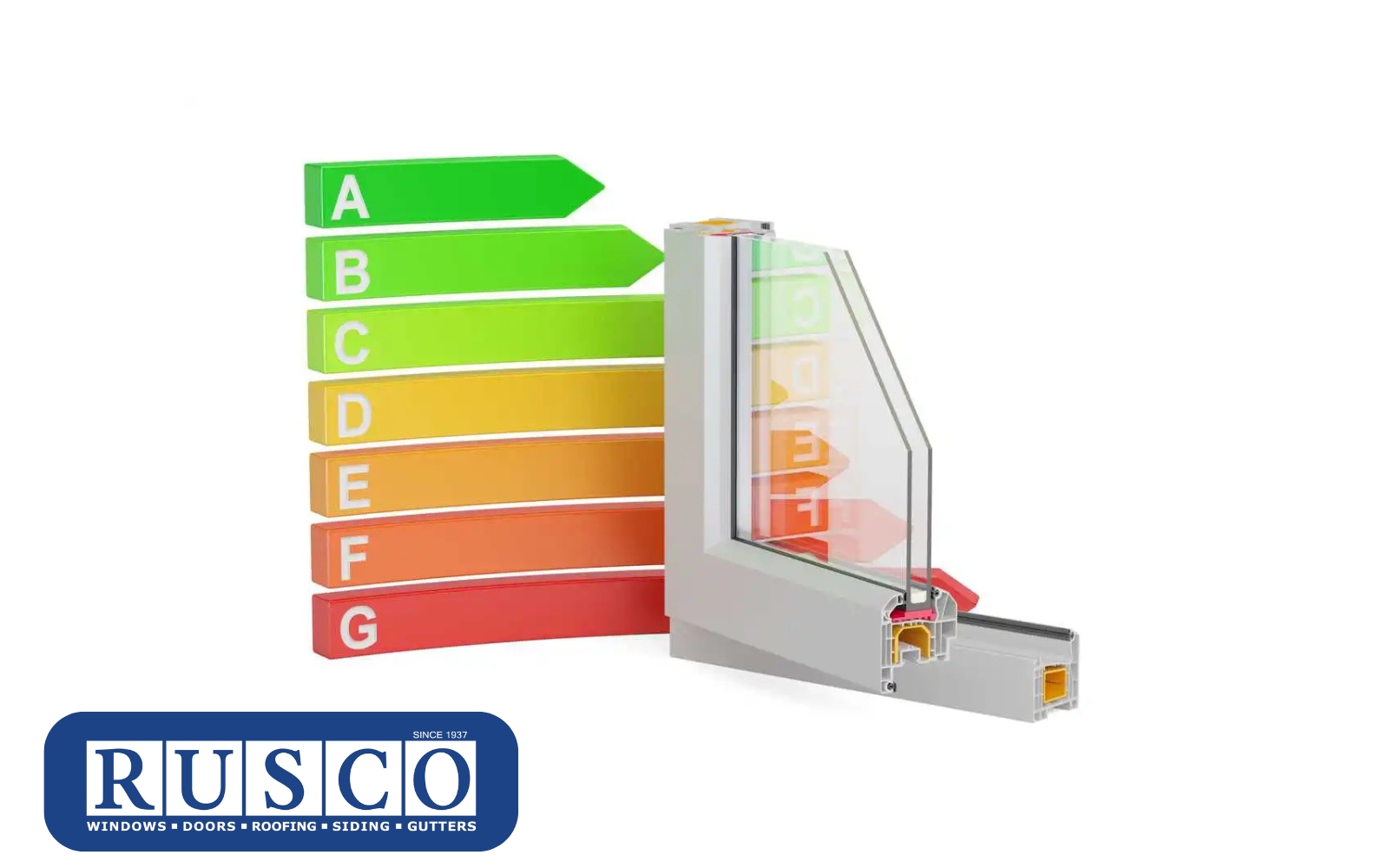
When you’re shopping for new windows, it’s easy to get caught up in how they look or the type of frame in question. However, if you want real comfort and energy savings, you need to know two performance measurements: U-factor and solar heat gain coefficient (SHGC).
These numbers might sound confusing, but they’re pretty simple when you know what they mean. And they can make a huge difference in how your home feels and how much you spend on heating and cooling.
What Is U-Factor?
U-factor measures how well a window resists heat transfer. It tells you how good your window is at keeping heat inside during winter or preventing heat from escaping.
- The lower the U-factor, the better the window is at insulating your home.
- You’ll usually see it written out a decimal between 0.20 and 1.20. Lower numbers mean better insulation.
If you live in a cold climate, you want windows with a low U-factor to keep heating costs down. In warmer regions, insulation is still important for keeping cooled air inside and reducing your AC bills.
Factors that influence U-factor include:
- Number of panes (double or triple-pane windows have better insulation).
- Type of gas fill (argon or krypton between panes improves performance).
- Low-E coatings that reflect heat into your home.
- Quality of the window frame and installation.
What Is Solar Heat Gain Coefficient (SHGC)?
SHGC measures how much solar heat from the sun passes through your window into your home. Unlike U-factor, SHGC communicates information about heat entering from outside.
- SHGC is usually written out as a decimal between 0 and 1. Lower values block more solar heat; higher values let more in.
- For hot climates, low SHGC windows are good because they reduce air-conditioning demand.
- For cold climates, a higher SHGC can be beneficial, letting the sun’s warmth reduce heating costs in winter.
How U-Factor and SHGC Work Together
Both of these numbers work together to determine your home’s energy performance:
- In cold climates, prioritize low U-factor for insulation and moderate to high SHGC to capture some winter sun.
- In hot climates, prioritize low SHGC to block heat and moderate U-factor for energy efficiency.
- In mixed climates, you’ll need windows that provide good insulation year-round and control solar gain seasonally.
How Rusco Windows & Doors Can Help
At Rusco Windows & Doors, energy performance is part of every window design. Our products are rated for U-factor and SHGC, so you can choose the windows that match your climate and energy goals.