
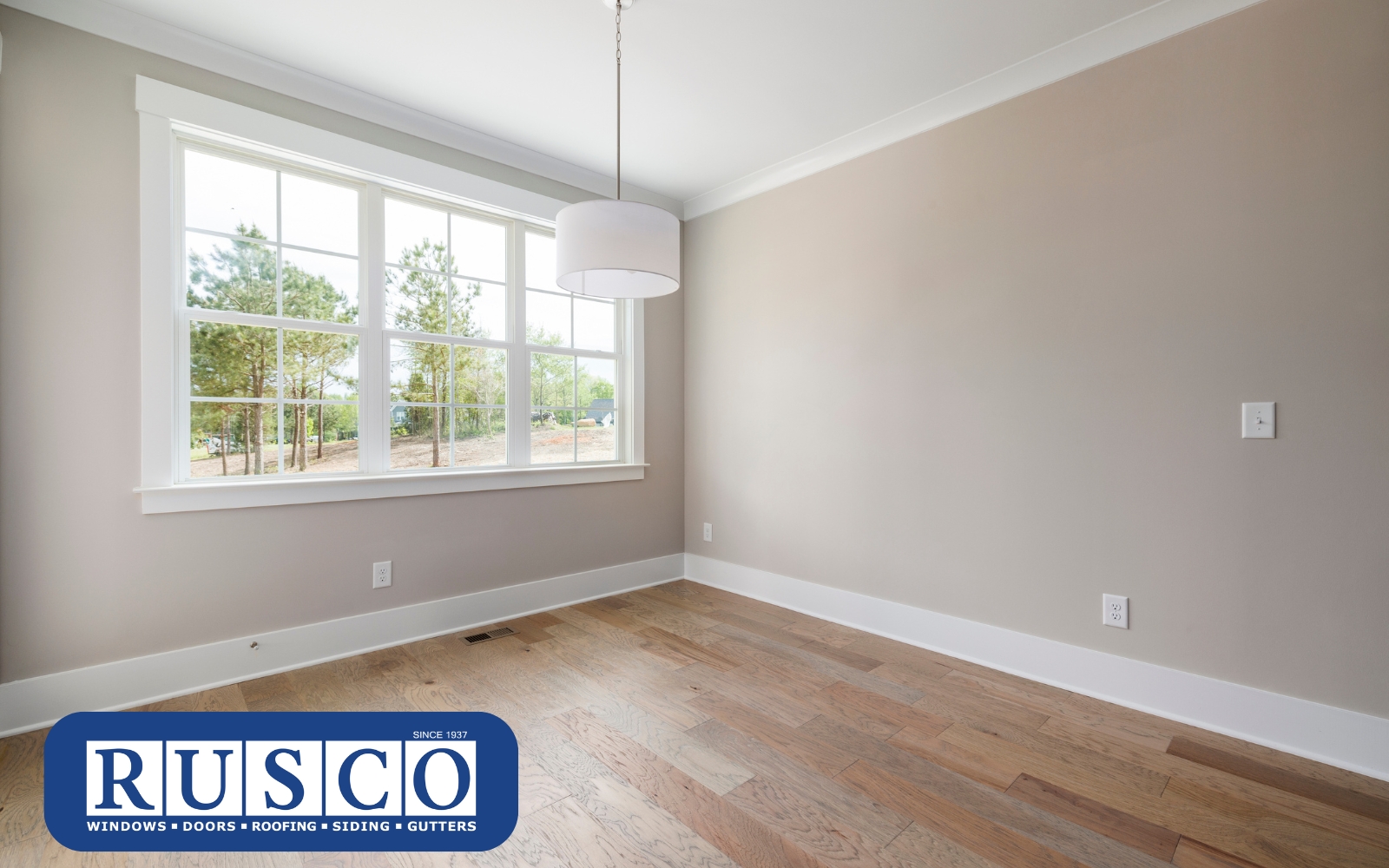
When you’re thinking about upgrading your windows, it’s natural to focus on style and frame material, but have you ever thought about where those windows sit on your home’s walls?
Window placement can completely change how your home feels and how much you spend on heating and cooling every month. Let’s explore how window placement affects both natural lighting and energy costs, and how you can make the most of both.
How Window Placement Shapes Natural Light
Windows are your home’s connection to daylight. The amount and quality of natural light you get depends heavily on which direction your windows face.
- South-Facing Windows: In most parts of the U.S., south-facing windows capture the most consistent sunlight throughout the day.
- North-Facing Windows: These windows bring in soft, even light that doesn’t cause glare or heat buildup.
- East-Facing Windows: Morning sunlight from the east creates a warm, energizing glow. Just keep in mind that east-facing windows can let in a lot of heat early in the day during summer.
- West-Facing Windows: West windows catch the afternoon sun, which can make rooms hot in the summer and cause glare. If you’ve got a view you love in that direction, you can manage light and heat with tinted or low-emissivity (low-E) glass.
How Light Affects Your Energy Bill
Light and heat go hand in hand, so window placement can directly affect how much energy you use.
- In Winter: South-facing windows let in sunlight that naturally warms your home, reducing the need to run your furnace as often.
- In Summer: By using shading strategies like awnings, blinds, or energy-efficient coatings, you can block harsh sun that would otherwise force your air conditioner to work overtime.
- Daylighting Savings: The more daylight you have, the less you’ll rely on artificial lighting.
Energy-Efficient Design Strategies
The beauty of modern window technology is that you can optimize for both light and energy efficiency at once.
- Pair the Right Glass with the Right Orientation: Low-E coatings reflect heat while letting in light, making them good for east- and west-facing windows. Argon-filled double or triple panes add insulation for north- and south-facing sides.
- Use Overhangs and Landscaping: Roof overhangs and even trees can block high summer sun, but still let winter light reach your windows.
- Vary Window Heights: Placing windows at different heights (like clerestory windows above eye level) helps bring light deeper into rooms without sacrificing privacy.
- Add Skylights or Light Tubes: If certain spaces don’t get much light, a skylight or solar tube can bring in daylight from the roof.
Smart Placement Matters
The placement of your windows can make or break your home’s efficiency and comfort. When you position them correctly, you’ll enjoy sunlight exactly where you want it and energy savings you’ll notice every month.